
Occasionally you may come across something which really moves you deeply - whose wisdom appears profound and which if digested and integrated, can make a genuine and positive difference to your attitude to and experience of life.
So it was for me with the piece below which came to me through Substack.
i cannot now find the original and am not therefore able to credit the author suffice to say that the words are not mine.
P lease take a minute to read and may these words have a similar effect on you as they did on me.
Thank you,
John
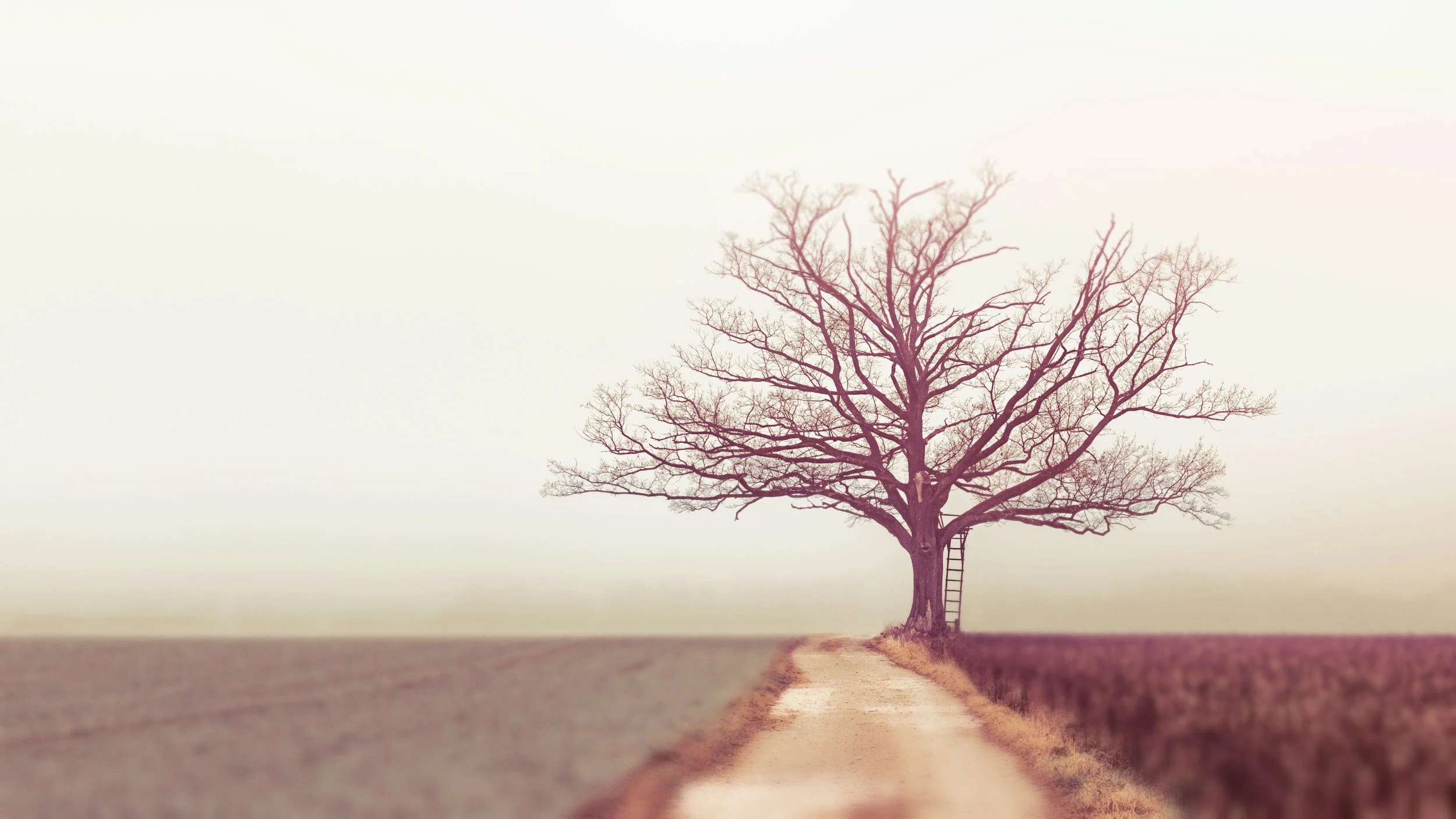
You can only walk your own path, no one elses
After 70 Years of Buddhist Practice, a 98-Year-Old Monk Gave Me the Most Painfully Honest Answer About Human Suffering
Life is not distributed equally—but suffering deepens when we spend our lives measuring our path against someone else’s.
It was late afternoon when I asked him that question.
The temple was quiet that day.
A few leaves moved across the stone ground as the wind passed through the courtyard.
I remember sitting there longer than usual before speaking.
Because the question felt uncomfortable.
Not philosophical.
Personal.
Finally, I asked:
“Why do some people seem to get everything easily… while others struggle for almost everything?”
He didn’t answer immediately.
He poured tea slowly into two small cups.
Then he asked:
“Do you mean money?”
I thought for a moment.
Then said:
“Not just money.”
“Some people are born into support, opportunity, confidence.”
“Others spend years fighting for things that seem to come naturally to everyone else.”
He nodded quietly.
As if he had heard this question many times before.
Then he said something I didn’t expect.
“Because life is not fair.”
I looked at him, surprised.
I thought a monk would say something softer.
More comforting.
But he didn’t.
He continued:
“Some people begin life with less suffering.”
“Some begin with more.”
“Different conditions. Different causes. Different burdens.”
No spiritual performance.
No denial of reality.
Just honesty.
And strangely, that honesty felt more compassionate than false positivity ever could.
Because deep down, most people already know this.
Some people grow up emotionally safe.
Some grow up learning fear.
Some are encouraged early.
Some are criticized until they doubt themselves.
Some meet opportunity at the right moment.
Others spend years surviving before they can even think about possibility.
The distance between people is real.
Pretending otherwise doesn’t heal anyone.
I asked him:
“Then what’s the point of trying?”
He looked at me for a moment.
Then smiled faintly.
“Because comparison is where suffering becomes heavier.”
That sentence stayed with me.
He explained:
“There is pain in life that comes from conditions.”
“Poverty. Illness. Loss. Difficulty.”
“That pain is real.”
“But there is another kind of suffering people create themselves.”
“Comparison.”
“Resentment.”
“The feeling that life should have given them someone else’s path.”
I sat quietly after that.
Because I knew exactly what he meant.
Modern psychology calls it social comparison theory.
Human beings naturally measure themselves against others.
Especially now.
You open your phone and see:
Someone younger succeeding faster.
Someone happier.
Someone wealthier.
Someone more loved.
And slowly, without noticing,
your own life begins to feel smaller.
Not because it changed—
but because someone else’s life entered your mind.
The monk looked at me and said:
“A person can survive hardship.”
“But many cannot survive constant comparison.”
That felt painfully true.
Because comparison does something strange.
It makes effort feel meaningless.
You stop asking:
“Am I growing?”
And start asking:
“Why am I behind?”
One question creates movement.
The other creates bitterness.
I asked him:
“But if life really is unequal… isn’t it natural to feel angry?”
He nodded.
“Yes.”
“Anger is natural.”
“But staying there will poison the mind.”
Then he added something quietly:
“The problem is not that people have different paths.”
“The problem is believing your peace depends on having someone else’s.”
That line changed something in me.
Because most suffering isn’t only about difficulty.
It’s about resistance to reality.
Not just:
“This is hard.”
But:
“Why is this my life and not theirs?”
And once the mind enters that loop,
even blessings become invisible.
The Buddha taught:
“Envy and comparison disturb the mind like wind disturbs still water.”
A disturbed mind cannot see clearly.
The monk explained it this way:
“If you spend your whole life staring at another person’s road—”
“You will never fully walk your own.”
There was no harshness in his voice.
Only clarity.
Then he said something I still think about often:
“Some people receive quickly.”
“Some slowly.”
“Some lose before they gain.”
“Some gain before they lose.”
“You are only seeing one moment of their path.”
“Not the whole movement of their life.”
That made me realize how little we actually know about others.
We compare our hidden pain
to someone else’s visible surface.
And then decide life has betrayed us.
Before I left, I asked him one last question.
“Then how should a person live?”
He looked out toward the mountains and said softly:
“Do not measure your life only by outcomes.”
“Measure it by whether your mind becomes lighter or heavier while living it.”
Because some people gain everything—
and still live in fear.
Some gain status—
and lose peace.
Some appear successful—
but cannot sit quietly with themselves for even one hour.
And some who struggled deeply
still carry kindness, clarity, and calm.
The Buddha never promised equal conditions.
But he pointed toward freedom from unnecessary suffering.
Not freedom from difficulty.
Freedom from endless mental resistance.
Closing — The Middle Way
The Middle Way is not pretending inequality doesn’t exist.
And it is not becoming bitter because it does.
It is seeing reality clearly—
without letting comparison consume your life.
Yes, people begin from different places.
Yes, some roads are harder.
But constantly measuring your journey against another person’s path
will slowly turn life into resentment instead of experience.
Walk your road carefully.
Not because it is easy.
But because it is yours.